
Multilingual websites / eCommerce
Multilingual websites and eShops where every language works as a complete experience.
We design language architecture, CMS, SEO and commerce flows so content, products and checkout remain consistent in every market.
More than translated pages
An additional language affects the entire website.
Pages, menus, metadata, forms, emails and commercial rules need to work as one system. A language switcher leading to incomplete versions is not enough.
- 01
Each language serves a distinct audience
Services, products, terminology and calls to action do not always need a literal copy of the primary version.
- 02
Translations disappear inside the CMS
The team cannot see which pages are complete, which need updating or which version requires review before publication.
- 03
Multilingual SEO has technical gaps
URLs, hreflang, canonical tags, metadata, sitemaps and internal links do not connect equivalent language versions correctly.
- 04
Commerce changes by country or market
Currency, tax, shipping, payment, availability and legal information require explicit decisions beyond product translation.
Multilingual capabilities
Every language needs complete content, technical consistency and responsible management.
Technology organises the relationships between versions. Quality also depends on terminology, approval and consistent future updates.
Languages, URLs & navigation
We design complete versions using folders, domains or another suitable structure, with a consistent language switcher and navigation.
WPML & appropriate tools
We implement WPML or another technically suitable choice for WordPress, avoiding needless complexity and awkward management flows.
SEO, GEO & structured data
Hreflang, canonical tags, metadata, schema, XML sitemaps and internal links are connected per language around genuinely relevant content.
Multilingual eCommerce
Products, categories, attributes, checkout, emails and customer accounts are treated as one complete commerce journey.
Translation and review workflow
We define who translates, who verifies terminology, when a page is complete and how future changes move through approval.
QA for every language and device
Layouts, text expansion, menus, forms, search, filters, emails and critical journeys are tested in every active version.
Language, country and market
A language does not always represent a single geographic market.
One English version may serve several countries, while two markets sharing a language may need different prices or information. These decisions come before CMS configuration.
Need to review your existing Greek and English versions? Read our practical multilingual SEO guide, including a page mapping example and a launch checklist.
Language versions
Clear URLs, a language switcher and accurate mapping between equivalent pages.
Local variations
Different copy, contact details or commercial information where genuinely required.
Technical signals
Hreflang, canonical tags, sitemaps and metadata that agree with one another.
Complete journeys
Forms, search, checkout and emails remain in the language selected by the user.
Clear service boundaries
Technical implementation does not replace linguistic and legal responsibility.
Firstidea organises the platform and content workflow. Translation, local accuracy and market compliance require the right specialists and an explicit agreement.
- Machine translation is not assumed to be publication-ready copy.
- The client approves terminology, products, prices and material local differences.
- Tax, legal copy and terms of sale are reviewed by the appropriate advisers.
- Adding a language does not itself guarantee organic rankings or sales.
Multilingual delivery in practice
WordPress, WooCommerce and OpenCart with different content requirements.
Three documented Firstidea projects where a bilingual experience is a genuine part of the implementation.
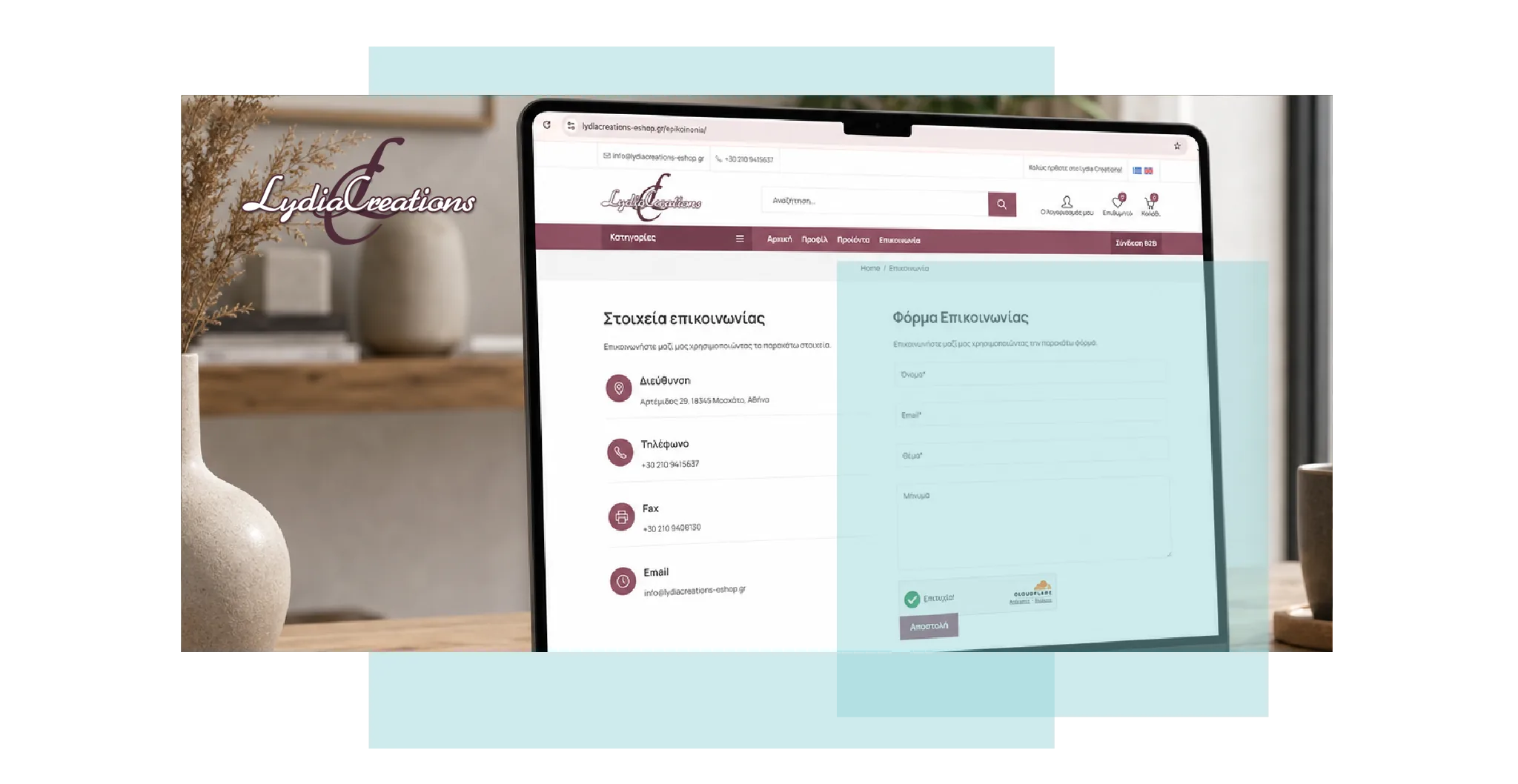
Lydia Creations
Bilingual fashion commerce for consumers and professional partners within one consistent WooCommerce experience.
View the case study ↗︎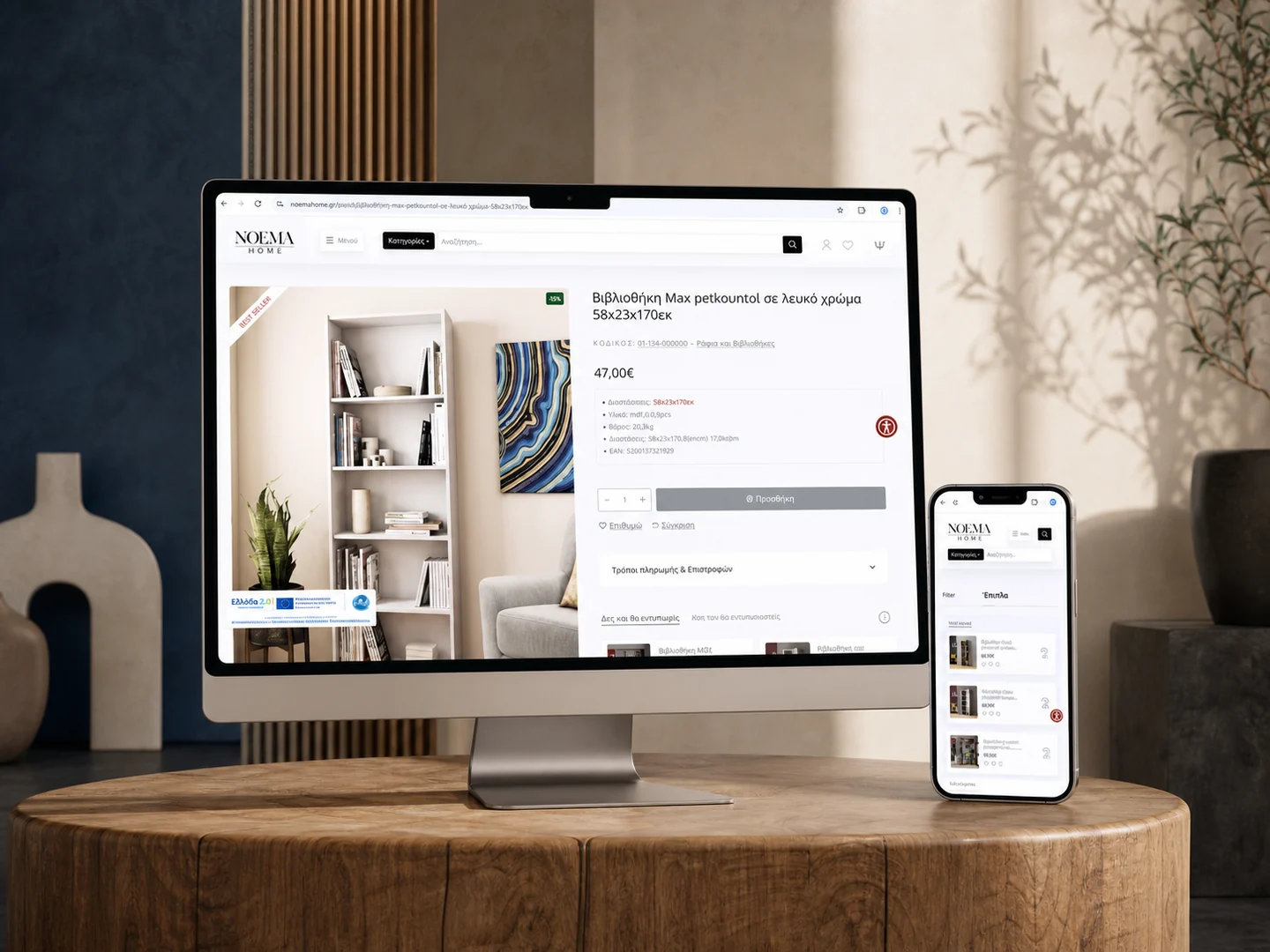
Noema Home
A large bilingual furniture and homeware catalogue with filters, commerce flows and XML updates.
View the case study ↗︎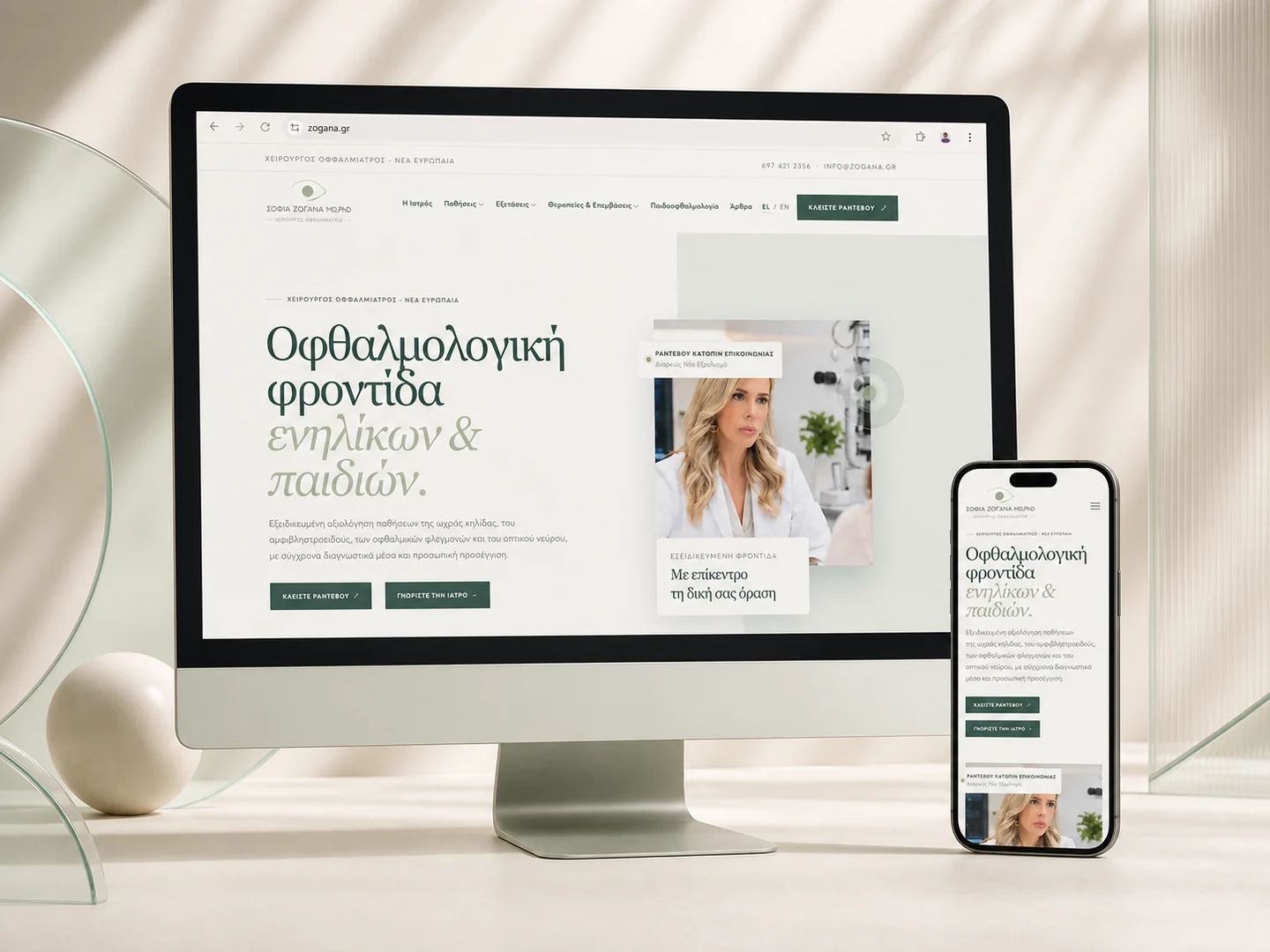
Dr Sofia Zogana
Bilingual medical architecture with scientific information and a carefully considered appointment journey.
View the case study ↗︎From market to complete version
Five stages so no language remains half-finished.
Publication follows only after content, technical signals and critical actions have been checked in the relevant version.
- 01
Markets, languages and objectives
We document the audience for each language, the content it needs and any local differences that affect operation.
- 02
Architecture and content mapping
URLs, templates, menus, taxonomies and relationships between equivalent pages or products are organised.
- 03
Translation workflow and implementation
The chosen tool supports a creation, review and publication process the team can use consistently.
- 04
Content, commerce and SEO QA
Every language is checked with real copy, products, metadata, forms, checkout and emails before publication.
- 05
Controlled release and maintenance
Versions can open in a considered sequence, with practical guidance for new pages, changes and future reviews.
One brand / complete locales
Tell us which languages and markets the project needs to serve.
We will organise technology, content, SEO and critical journeys before the next version is activated.
Request a multilingual proposal ↗︎FAQ
Frequently asked questions about multilingual websites and eShops.
Answers about WPML, translation, hreflang, URLs, currencies, QA and organic visibility.
Do you provide the translations?
Our core service is multilingual architecture, technical implementation and quality assurance. Translation or multilingual copywriting is included only when explicitly agreed, with a suitable language professional and final client approval.
Do you use WPML for multilingual websites?
Yes, WPML is a mature option for many WordPress projects. We still inspect themes, plugins, editorial needs, performance and the existing installation before recommending it.
Can an eShop use multiple languages and currencies?
Yes, but language and currency are separate decisions. Pricing, tax, rounding, payments, shipping, stock and accounting operations need to be validated for each market.
Must every page exist in every language?
Not always. Some markets may need different content. Navigation and the language switcher must behave clearly when an equivalent version does not exist.
What is hreflang and why is it important?
Hreflang helps search engines understand language or regional variations of a URL. It must be reciprocal, consistent and aligned with canonical tags and indexation.
Are folders, subdomains or separate domains better?
The answer depends on markets, brand, technical infrastructure, management and organic strategy. Folders on one domain are practical for many businesses but are not a universal rule.
Can AI machine translation be used?
It can assist a controlled workflow, but should not automatically replace linguistic, commercial or legal review. Critical pages and terminology require responsible human editing.
How are translations updated when the source copy changes?
We configure translation states, notifications and a defined review process. The CMS should show which version is affected without publishing incomplete text automatically.
Can you make an existing website multilingual?
Yes, after reviewing the theme, plugins, custom fields, URLs, database, content types and SEO. Some installations can accept another language safely; others require remediation or reconstruction first.
Will a multilingual website rank in every target country?
A sound technical foundation and useful local content support visibility but do not guarantee rankings. Competition, brand strength, links, local relevance and content quality remain important.
How is a multilingual eShop tested before launch?
We test navigation, search, filters, products, attributes, basket, checkout, account, emails, currency and critical legal information in every active language and device class.